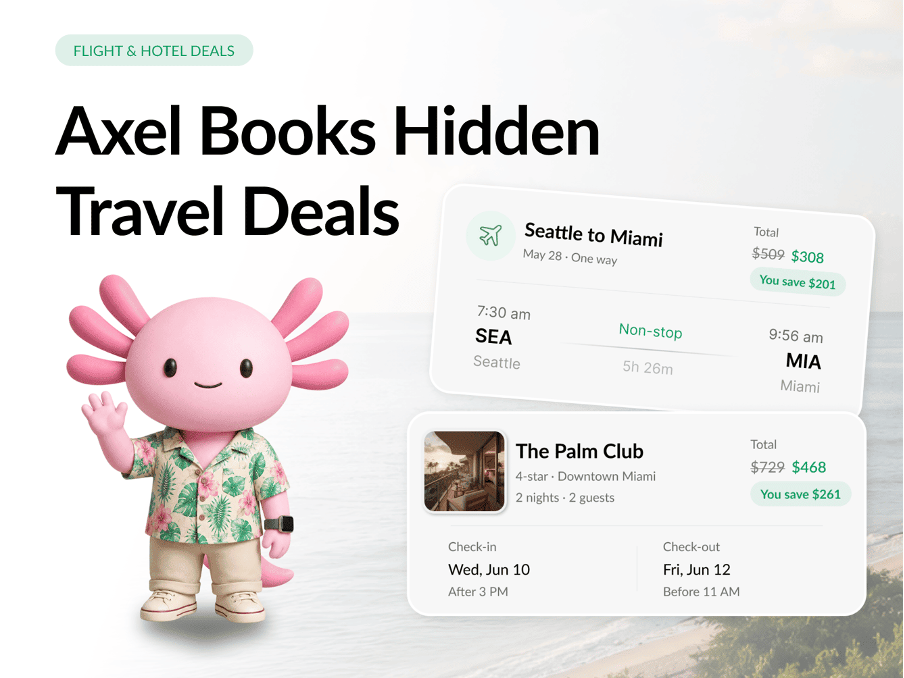
Axel, the axolotl mascot of the AI travel agent of the same name.
Adopting AI has, in general, been, and still is, a hard sell. Not only because of the technology's inherent complexity and abstract nature, but mostly because it’s hard to feel anything for it.
We all have an idea of what AI can do nowadays, but almost every iteration ends up being the same: an empty prompt input field. Nothing that truly sparks excitement, given its very neutral and functional nature.
And yet, often we bring the emotion ourselves.
Regardless of whether we begin our prompts with a greeting, we still become familiar with AI not just as a tool, but also as an assistant, a trusted friend, and sometimes even a confidant. The interface can be sterile, but the relationship we build with it isn’t.
So how does a brand make use of that relationship? How can emotional design influence trust? Where does less personality work harder for us?
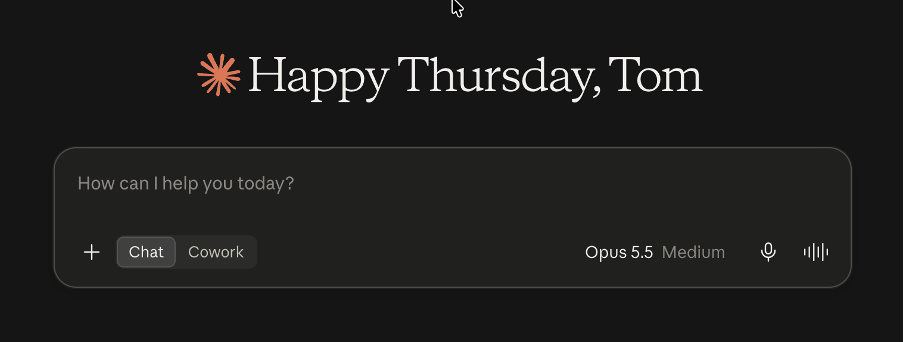
The default face of AI: an empty text box.
Why mascots work: The face of AI
One effective way of channelling this relationship and positive emotions is through the use of mascots.
The role of design
This is not a given. Mascots can be a risky bet. If designed poorly, they can land in the uncanny valley and take the brand with them.
But if done well, where enough time is spent perfecting the character by borrowing a lot of visual cues from giants like Disney (compare Baymax’s character design from Big Hero 6 with Meta’s latest Muse mascot, Jolly), they can act as an effective vehicle for selling the experience and feelings rather than the product itself.
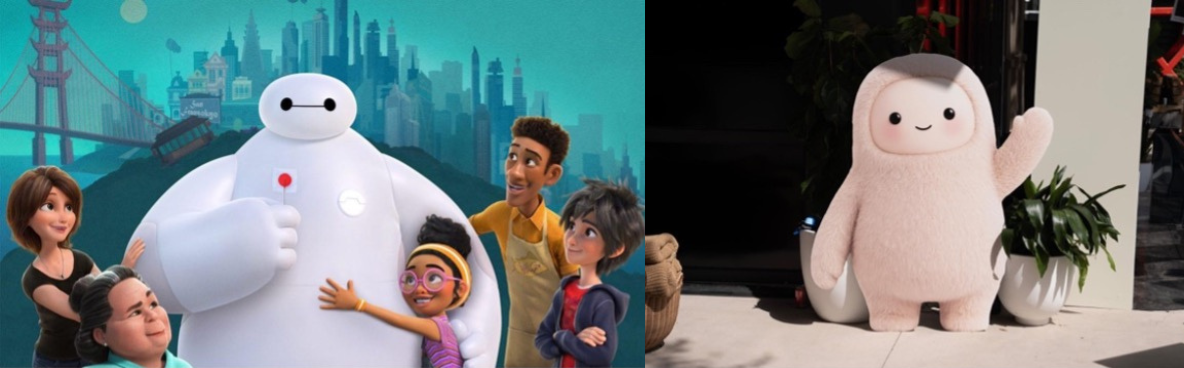
Baymax from Big Hero 6 (left) and Meta’s Jolly mascot for Muse (right).
An emotional connection
An AI-powered smart mascot can act as a visual shorthand for the brand. As Amy Werner, Head of Strategy at Bulletproof, puts it: “Modern mascots mark a break from ‘blanding’ by bringing a balance of personality and neo-nostalgia… they can participate in culture… and bring levity and emotion to a brand in a complex, abstract or factual category.”
At the end of the day, with AI, we’ve already done the emotional groundwork. We’re initially encouraged to use it at work, then find ourselves using it at home. Maybe we’re in the process of buying a house and ask Gemini to calculate our mortgage for us? Maybe Claude helps us pick the best car? What if ChatGPT helps us review our diet?
Every interaction builds familiarity, and it’s familiarity we create ourselves, completely unpaid. A mascot gives it a face and lets the brand capitalise on a relationship we built.
A familiar playbook
The golden era of mascots dates back to the 1950s. From Kellogg’s Tony the Tiger to Procter & Gamble’s Mr Clean. And while they never left us, they’ve come and gone in waves ever since.
Tech has tried them before, too. Back in 1997, Microsoft introduced us to Clippy, who was meant to be a helpful assistant but became a running joke and more of a nuisance than a guide. He interrupted rather than helped.
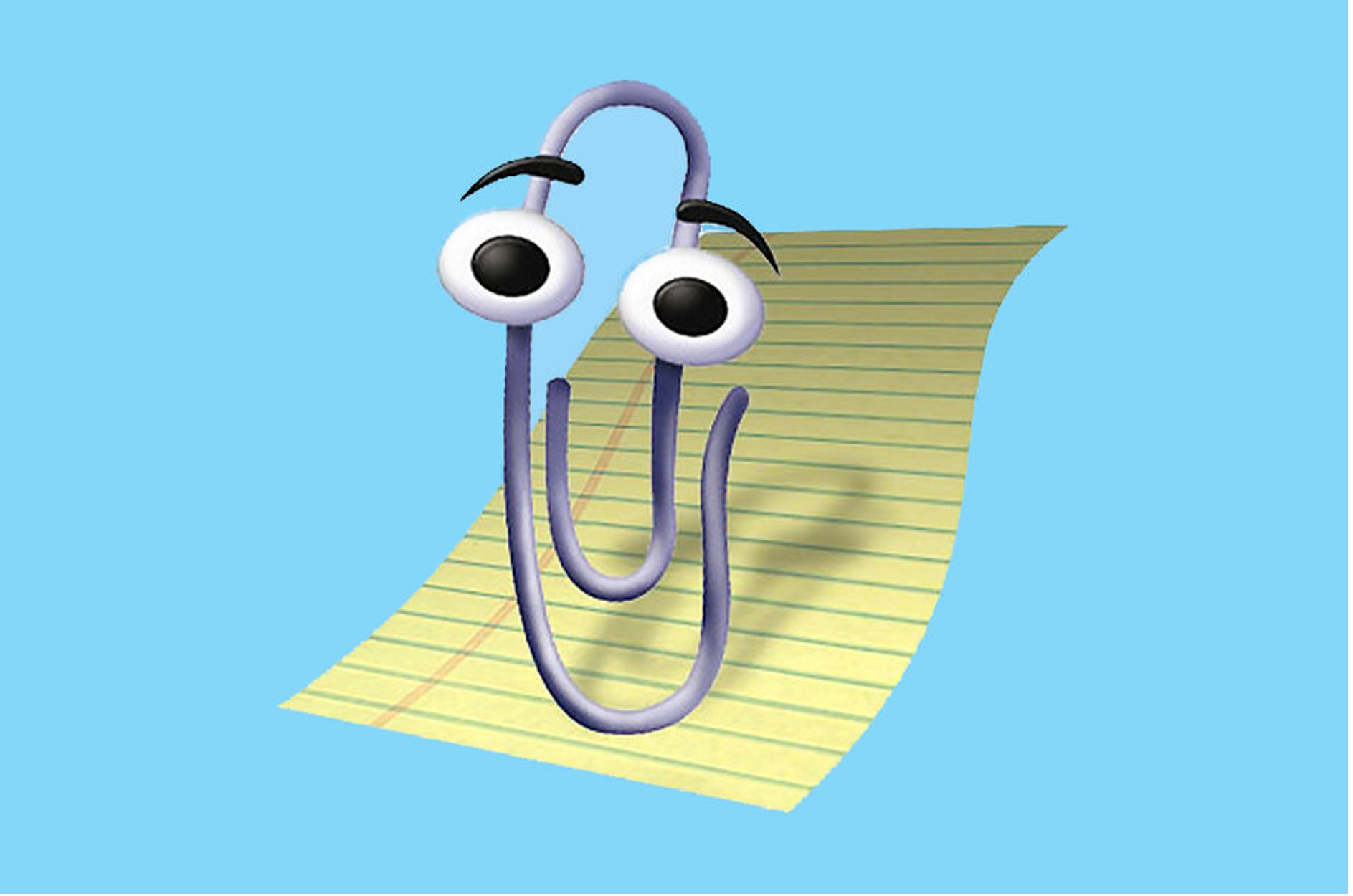
Microsoft’s Clippy
Now mascots are back as one of many ways to encourage us to use AI every day, having learnt from their mistakes and refined their designs ever since. But crucially, the likes of Clippy serve as potent evidence that personality alone can’t cover up poor user experience.
Sometimes, however, the best assistant is the one that is not right up in your grill.
A blank canvas: When less personality works harder
Looking at the other side of the emotional argument, not every AI experience benefits from a mascot.
It can be said that, with AI interfaces such as Claude or ChatGPT, one of their key strengths and appeals is that they don’t come with a character attached. When we type into their freeform prompt boxes, we can then ask them to assume a role. Suddenly, they can be a marketing director, travel agent, doctor, climate change specialist or legal advisor. It’s just a canvas, helping us work towards a solution. It’s also why we find it so easy to bring our own emotions into it since there is no fixed personality getting in the way.
A mascot fills that space for us and might add an unnecessary layer, which in sensitive moments, like a health problem or legal worry, could be inappropriate. During those times, a cheerful character could feel very much out of place.
Anthropomorphism: From tool to someone
That said, there is science behind why the attribution of human emotions, traits and intentions can be impactful as part of a brand experience.
We’re wired to see faces and intentions in all sorts of things, from clouds to plug sockets, so by giving software big eyes and a rounded body, we might start to see it as someone rather than something.
And that familiarity of ‘someone’ can be powerful. It may make us more forgiving when things go wrong, or less likely to question the product behind the friendly face. And when that product is asking for our data or influencing important decisions, those are possibilities worth taking seriously.
When approachability becomes infantilisation
But making AI feel human is only a snippet of the story. There’s a wave of brands making classically complex, tiresome products feel childishly simple and joyful.
Another angle that Axel reminded me of is how other stereotypically ‘dull’ products, like car insurance, have been given the infantilisation treatment to break things down and liven things up.
Mike Andrews, designer and co-founder of Glasgow agency In Progress, sums it up as “I’m baby, sell me car insurance”. On his blog, Andrews describes coming across the branding for Marshmallow, a car insurance company that uses a big, pink, rounded marshmallow called Marshall. It’s cute, approachable, trustworthy and, above all, doesn’t feel like a big deal. It helps make a mammoth task feel bite-sized and achievable.
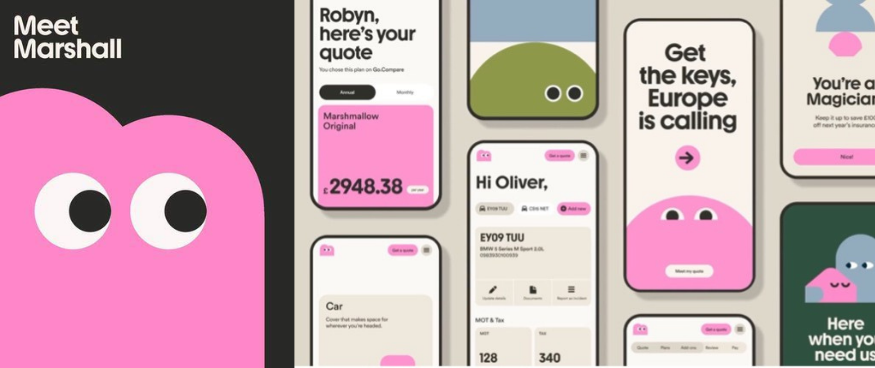
Marshall, from Marshmallow’s rebrand by Ragged Edge.
He’s full of praise for the brand work and acknowledges how a fresh visual approach can make a dull subject matter like car insurance feel appealing, but notes that it looks “basically indistinguishable from many of the picture books” he’s bought for his nieces and nephews. Subject matter aside, he says, it could pass for a children’s learning app.
But the policy underneath is still full of excesses, exclusions and small print. A picture book doesn’t make any of that simpler, it’s just easier to overlook. Therefore, it’s important to remember, as marketers, that there is a difference between reducing complexity and obscuring it from users.
Made for a jaded generation?
Andrews also links this infantilisation trend to the squeeze on his generation, who experienced soaring house prices, long working weeks and little real wealth to show for it, but just enough spare income to pay for conveniences. Into that gap came a wave of apps offering to take care of everything from dinner to mortgages, quietly taking on the role of parents. No wonder, he argues, that financial services now feel like a playground of bright, friendly characters. And the worse the economy gets, the more infantilising the branding becomes.
This is where I’d go a step further. It’s tempting to read all this as a generation that wants to be babied, but I don’t think that’s fair. Millennials didn’t choose to be stretched this thin. The world around them was shaped to make handing things off feel like the only sensible option and then dressed up to make that action feel comforting. Accepting help isn’t laziness when the alternative has been made so hard.
The catch, however, is that this reassurance can tip into passivity, and this is where Andrews and I reconverge. Infantilised branding invites us to develop habits to stop scrutinising it and let things be sorted for us, which leaves us “trusting, pliable” and easier to take advantage of. After all, how could Marshall possibly rip you off? Your car insurance premium might be higher but look at him. He’s your little pal. Don’t you want to be his too?
For brands that have Consumer Duty to uphold, such as insurance brands, we need to be wary of how this friendship is used. Commercial success could be undermined if users start to feel deceived.
The ethical stakes of AI mascots
If a peppy mascot can break down a complex product into something breezy and harmless, what happens when it’s part of a bigger AI-fuelled system that influences how we think, work and make decisions?
It’s hard to think about data practices, energy use or the wider ethics of the AI industry while looking at Clawd, the little critter in Claude Code’s terminal. The cuteness does its job while it keeps our attention on the helper, rather than the company behind it.
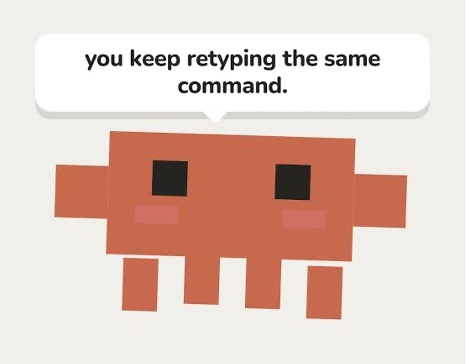
Clawd, Claude Code’s terminal mascot.
A friend? Or just a name?
Aside from visual design, there’s also tone and framing through names to consider when it comes to AI mascots.
Naming isn’t new, Amazon’s Alexa was there years ago, but in today’s AI space it feels more insidious.
Even the blank canvases aren’t entirely blank. Claude doesn’t have a face in its chat window, but like Axel, it already sounds and feels like a companion because it has a name, which slips into conversation more easily than an acronym.
If the notion that we tend to interact more with things that have familiar attributes holds true, it’s not too far-fetched to speculate whether ChatGPT will get a proper name one day too, to make it sound and feel less like a large language model and more like a friend.
Case in point, just at the end of September, OpenAI released Dots, a set of digital mascots with cute little glasses, bowties and berets. Their own babies going out into the world to help others by being their tiny colourful wingmen. And users are even invited to give their dot a name to make it their own.
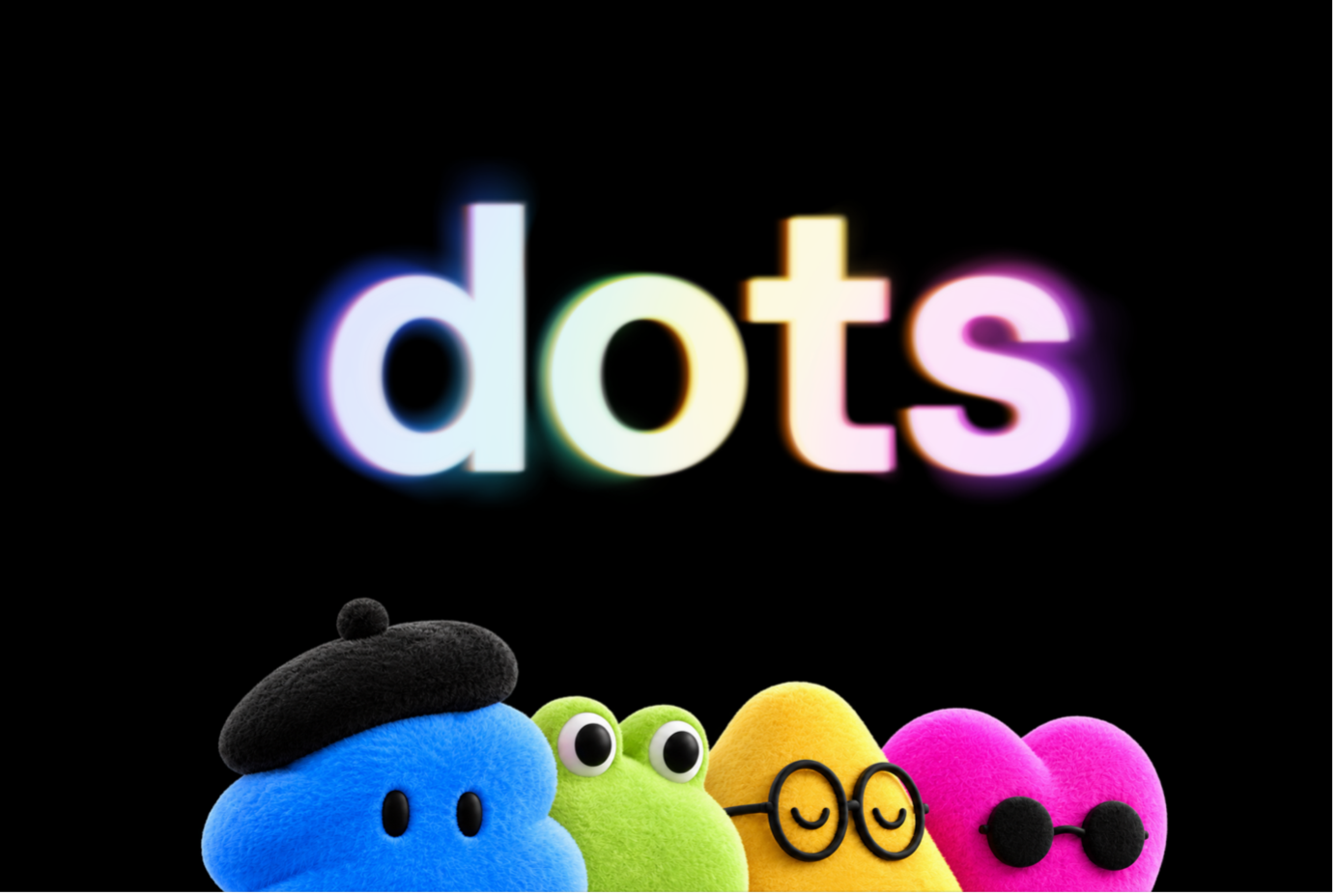
OpenAI’s Dots.
Moving forward with emotional caution
None of this means that mascots are the problem. AI mascots can tap into nostalgia and a much-needed sense of liveliness, helping more people get the information they need to make decisions and take action.
But this trend is not just skin deep. With AI, the stakes are higher than a car insurance premium. These tools are being woven into how we work, learn and make decisions. And the companies behind them are asking us for a great deal of trust all at once. A friendly face makes that trust easier to give and much harder to take back.
As marketers, we must find a clear way forward. When emotion is in the equation, we should use it to make products more understandable and empowering, not as a substitute for transparency and accountability.
At its worst, infantilisation can be seen as a business strategy that softens harsh realities to come. Some might critique it for treating us as people who shouldn’t have to deal with complexity, which leaves us less equipped when complexity arrives. So, the next time a cute little digital creature asks you to look past ethics, manipulation, digital security, the climate crisis, higher bills, job losses and falling living standards while selling you an AI product, and eventually increasing its subscription price, ask yourself: am I baby?